


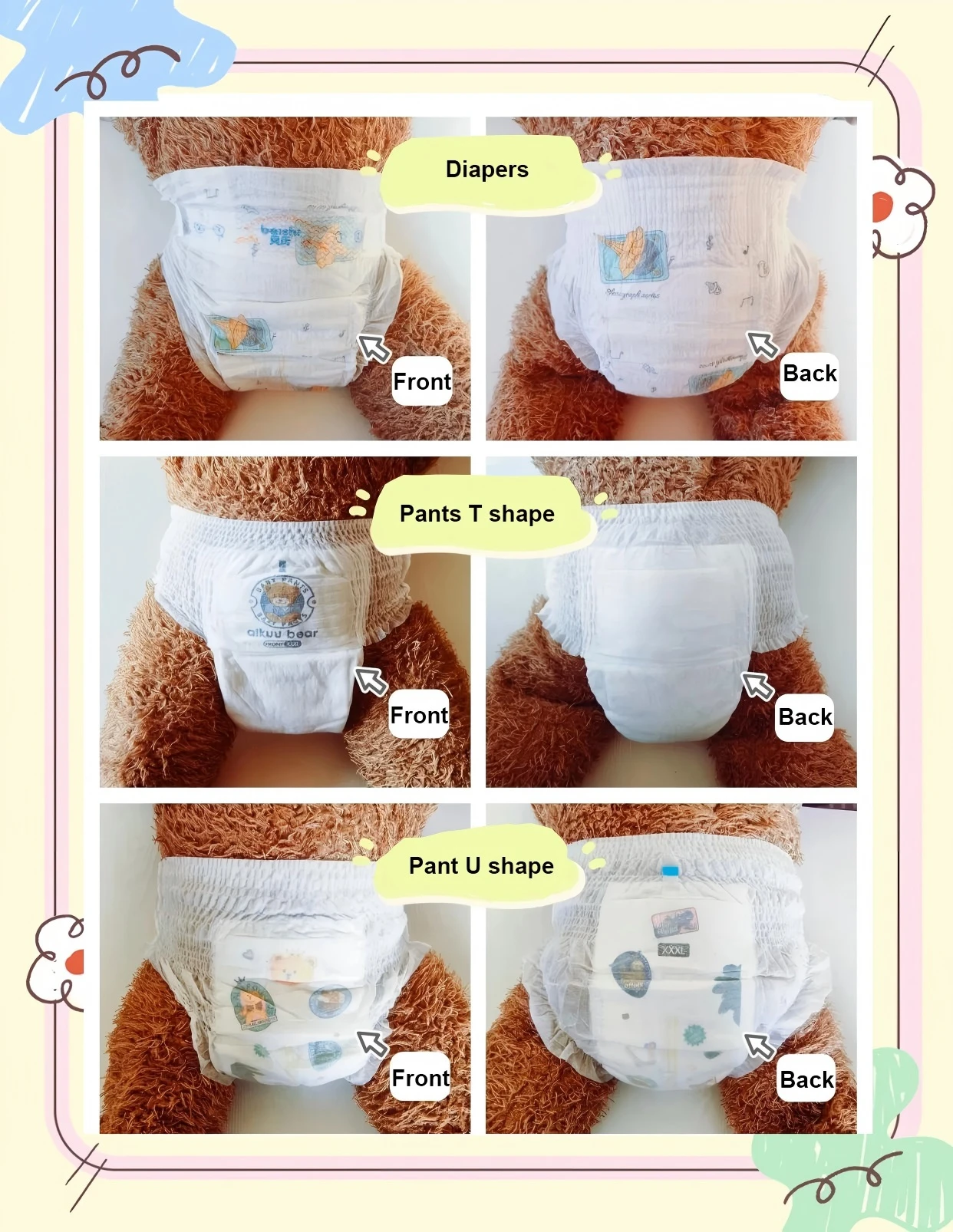
The baby diaper market has evolved significantly over the past decade. Today, two dominant product formats-tape diapers and pants-type diapers (pull-up diapers)-compete across global retail and wholesale channels.
For distributors, retailers, and private-label brands, understanding the differences between these two product types is essential for optimizing product mix, pricing strategy, and target consumer positioning.
This article provides a structured comparison of baby diaper types, focusing on convenience, age suitability, cost structure, and market ratio trends.
H2: Overview of Diaper Product Types
Modern baby diapers are generally divided into two main categories:
- Tape Diapers (Open-type with adjustable tabs)
- Pants Type Diapers (Pull-up style underwear design)
Each type serves different usage scenarios and consumer preferences.
H3: Tape Diapers (Open-Type Diapers)
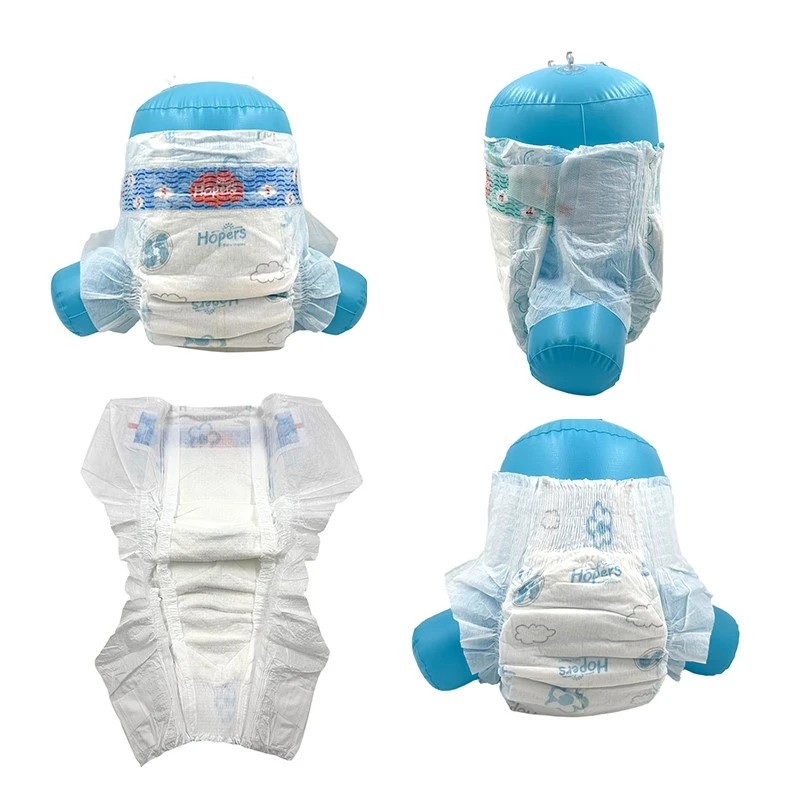
Tape diapers use adjustable adhesive or hook-and-loop fasteners on both sides.
Key Features:
- Easy to adjust fit
- Suitable for lying-down babies
- Convenient for caregivers
- Easier to change during sleep or medical care
Main Applications:
- Newborns
- Hospital care
- Bedtime diaper changes
- Less mobile infants
Tape diapers remain a strong choice in early-stage infant care.
H3: Pants Type Diapers (Pull-Up Diapers)
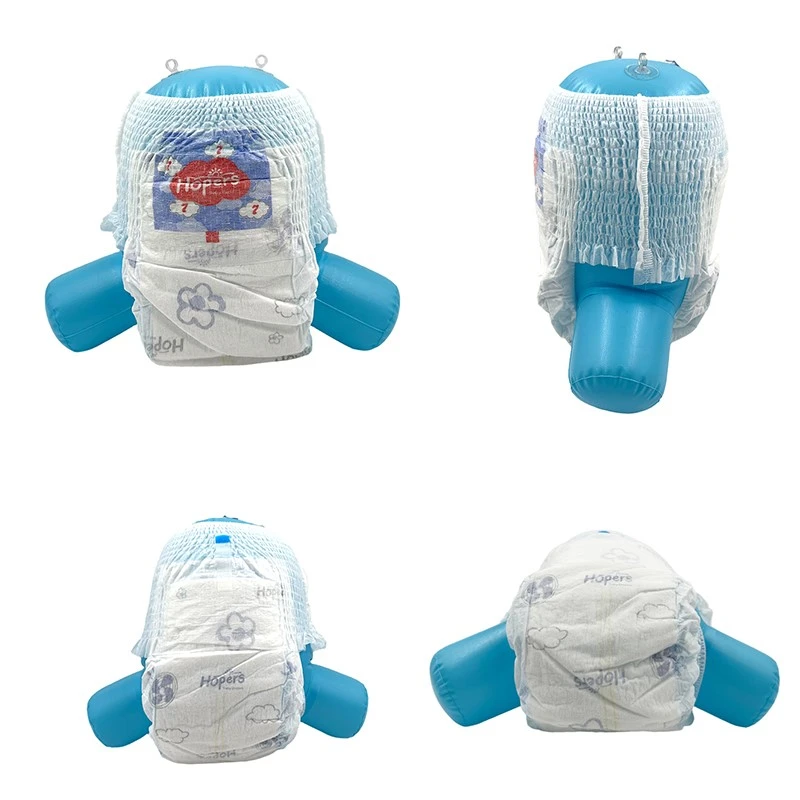
Pants diapers are designed like underwear and pulled up directly.
Key Features:
- Elastic waistband
- Easy for active babies
- Supports crawling and walking stages
- More discreet under clothing
Main Applications:
- Crawling babies
- Toddlers learning to walk
- Active children
- Potty training stage
This format has become increasingly popular in modern parenting.
H2: Convenience Comparison
H3: Tape Diapers – Caregiver Friendly
Tape diapers are designed for:
- Easy positioning while baby is lying down
- Quick changes without full removal of clothing
- Adjustable fitting for comfort control
They are especially convenient for parents of newborns.
H3: Pants Diapers – Baby Independence Focused
Pants diapers prioritize:
- Self-wearing capability (for older infants)
- Faster diaper changes while standing
- Less adjustment required
- More natural movement experience
They are ideal for active developmental stages.
H2: Age Suitability Analysis
Different diaper types align with different growth stages.
H3: Tape Diapers Age Range
Best suited for:
- 0–12 months (newborn to early infancy)
- Low mobility babies
- Hospital care situations
H3: Pants Diapers Age Range
Best suited for:
- 6–36 months
- Crawling and walking babies
- Toilet training phase
H3: Market Trend Insight
Globally, pants diapers are gaining faster growth due to:
- Increasing focus on baby mobility
- Urban parenting lifestyles
- Convenience-driven purchasing behavior
However, tape diapers remain essential for early infancy.
H2: Cost Structure Comparison
Cost plays a major role in product positioning and market segmentation.
H3: Tape Diapers – Lower Cost Advantage
Tape diapers typically offer:
- Lower production cost
- Simpler structure
- Higher affordability for bulk buyers
This makes them suitable for economy and hospital markets.
H3: Pants Diapers – Higher Value Positioning
Pants diapers generally have:
- Higher material usage
- More complex elastic structure
- Higher manufacturing cost
However, they support:
- Premium pricing strategy
- Higher brand positioning
- Better consumer experience
H2: Market Ratio and Demand Trends
The global diaper market shows clear segmentation trends.
H3: Tape vs Pants Market Share
Typical distribution patterns:
- Tape diapers: stronger in newborn segment and emerging markets
- Pants diapers: dominant in toddler and premium retail segments
H3: Growth Direction
Industry trends indicate:
- Pants diapers are growing faster in most developed markets
- Tape diapers remain stable due to newborn demand
- Hybrid product strategies are increasingly used by brands
H2: Performance Comparison (Functional Analysis)
| Feature | Tape Diapers | Pants Diapers |
|---|---|---|
| Convenience for caregivers | High | Medium |
| Baby mobility | Low | High |
| Cost efficiency | High | Medium |
| Ease of use | Medium | High |
| Market growth | Stable | High |
H2: Strategic Implications for Brands and Suppliers
For manufacturers and private-label brands, product strategy should consider:
- Dual-product portfolios (tape + pants)
- Age-segmented marketing
- Retail channel differentiation
- Cost vs premium positioning
H3: Recommended Product Strategy
Many successful brands use:
- Tape diapers for newborn SKUs
- Pants diapers for growth-stage SKUs
- Shared absorbent core technology to reduce production cost
This improves manufacturing efficiency and brand coverage.
H2: Final Thoughts
The competition between tape diapers and pants diapers is not about replacement, but segmentation.
Each product type serves a distinct role in the baby care lifecycle:
- Tape diapers dominate early infancy care
- Pants diapers lead in active toddler growth stages
For brands, distributors, and OEM suppliers, the best strategy is not choosing one over the other-but building a balanced portfolio that reflects real consumer behavior.
Contact Premium Hygiene Products
Looking for a reliable baby diaper manufacturer for tape and pants diaper solutions?
Premium Hygiene Products provides:
- OEM & ODM diaper manufacturing
- Tape and pants diaper product lines
- Custom absorbent core technology
- Private label development
- Global export support
Visit our Baby Diaper Category Page to request samples, specifications, or wholesale quotations.
Go to Baby Diaper